

How-To Video: DIY Cleaning for Stainless Steel Railing Systems

Stainless Steel Railing Cleaning and Maintenance
Transcription
With your exterior railing project, you’re going to receive a cleaning and maintenance kit. The content of this kit are CitriSurf, the instructions, as well as a Scotch-Brite® pad. As part of your routine maintenance, look for any signs of discoloration. Then use this to spot clean the system as needed.
How-To Guide: How to Prevent Rust on a Stainless Steel Railing System
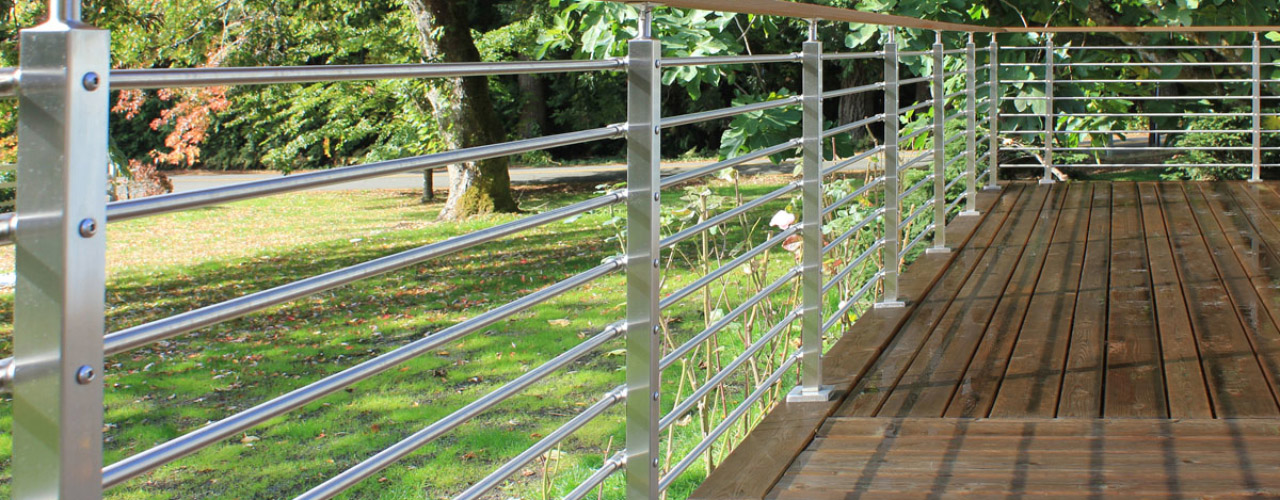
Railing systems under the Clearview® brand are manufactured from marine grade 316 stainless steel. Unlike other metals, stainless steel is an affordable solution that resists rust and discoloration. In the presence of oxygen, the chemical composition of stainless steel creates a passive layer that resists corrosion from salty air, chlorides, and other harsh environments. However, stainless steel is not completely immune to corrosion, so periodic cleaning is recommended to maintain the system and prevent contaminants from building up. Corrosion can also be corrected in the early stages by using a passivation solution. Do not use chloride cleaners, hypochlorite bleaches, muriatic acid, silver cleaners, scouring powders, steel wool, wire brushes, abrasive cleaning pads, or cleaning pads with rust because they can harm the stainless steel railing system.
Types of Care
- Initial Care: Immediately after installation, passivate the stainless steel surface with a solution included in the AGS – Stainless Steel Cleaning & Maintenance Kit to bring the surface condition of the stainless steel to its optimal state.
- Long Term Care: Periodically passivate the stainless steel surface with a solution included in the AGS – Stainless Steel Cleaning & Maintenance Kit for preventative maintenance. Then rinse the stainless steel surface with clean water to remove chlorides, which helps maintain the system.
- Short Term Care: Choose a mild household soap and use clean, warm water to remove fingerprints and smudges. Use the AGS – Stainless Steel Cleaner as needed after rinsing off the passivation solution and drying the surface.
Tools Needed
Step 1: Rub Along Finish
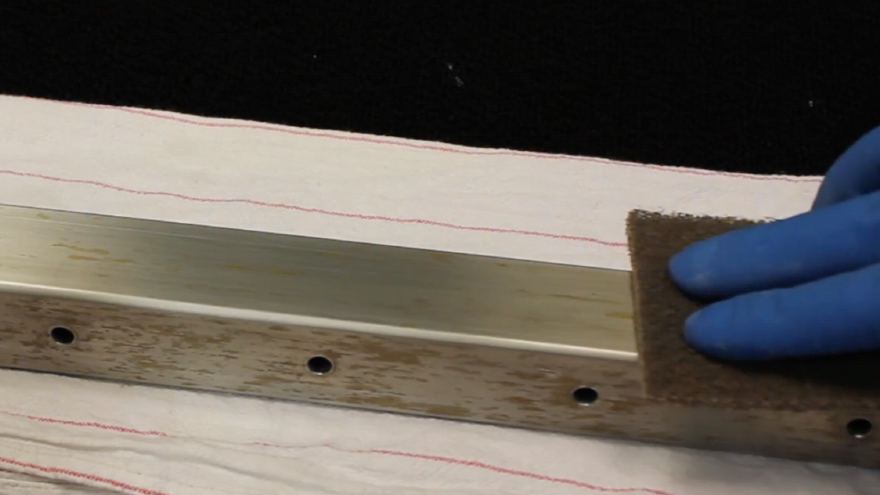
Rub a non-abrasive Scotch-Brite® pad, which is included in the AGS – Stainless Steel Cleaning & Maintenance Kit, along a stainless steel post in the direction of the finish. Rub a non-abrasive Scotch-Brite® pad in a circular motion on a stainless steel top rail. Do not use steel wool or steel brushes because they will leave scratches on a stainless steel railing system.
Step 2: Apply Passivation Solution
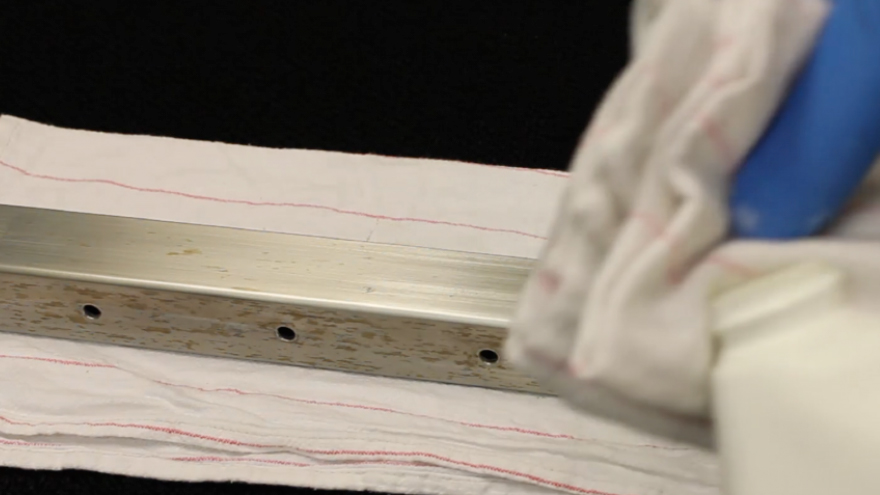
Apply a small amount of passivation solution to a towel and wipe any discolored areas to recondition the surface of the stainless steel railing system. This passivation solution is included in the AGS – Stainless Steel Cleaning & Maintenance Kit.
Step 3: Wait for Passivation
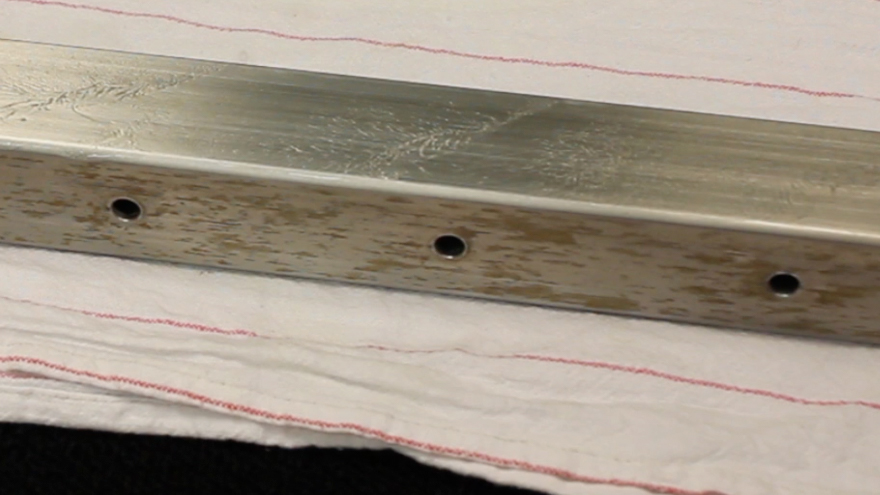
Wait for 10—30 minutes while the passivation solution penetrates the surface of the stainless steel railing system. If you do not wait for 10—30 minutes, you may need to apply the solution several times. In direct sunlight and hot environments, periodically mist or sprinkle the surface lightly with water to prevent the passivation solution from drying.
Step 4: Remove Passivation Solution
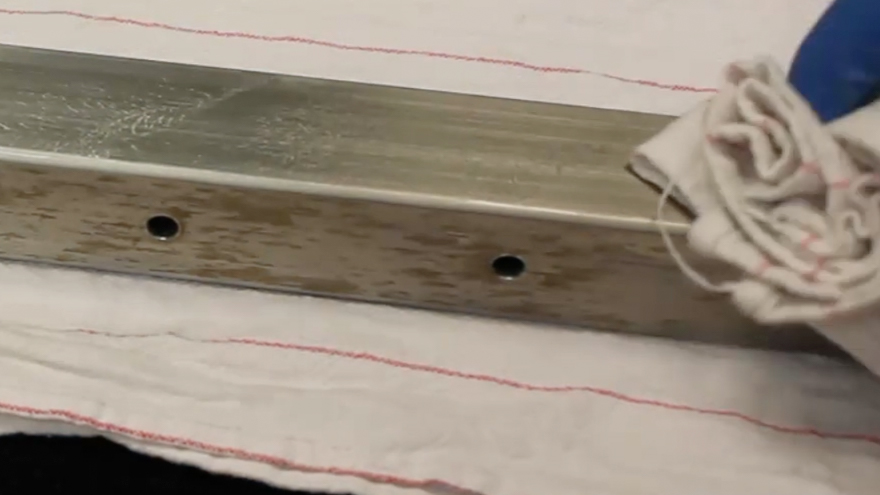
Rinse off the passivation solution with pure water and immediately wipe the stainless steel railing system dry with a clean towel in the direction of the brushed finish. A hot air blower can be used afterward to accelerate drying.
Step 5: Apply the Cleaner
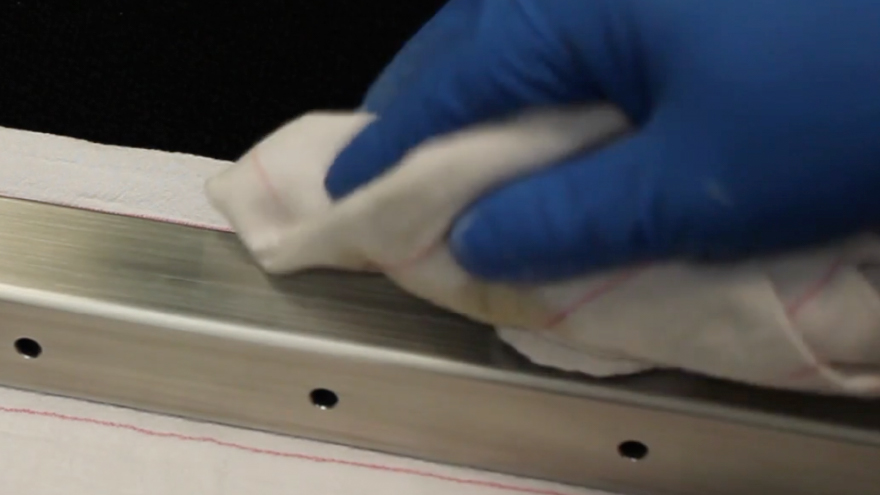
Apply a small amount of stainless steel cleaner to a clean towel and wipe in the direction of the finish. AGS – Stainless Steel Cleaner restores a protective layer in intergranular crevices to help prevent chlorides from initiating corrosion.
Featured Hardware
Railing Cleaners
Railing Systems
Recommended For You
Explore design trends and insights from architects, our customers and the AGS team.
-
 Design Inspiration
Cable Railing Transformations
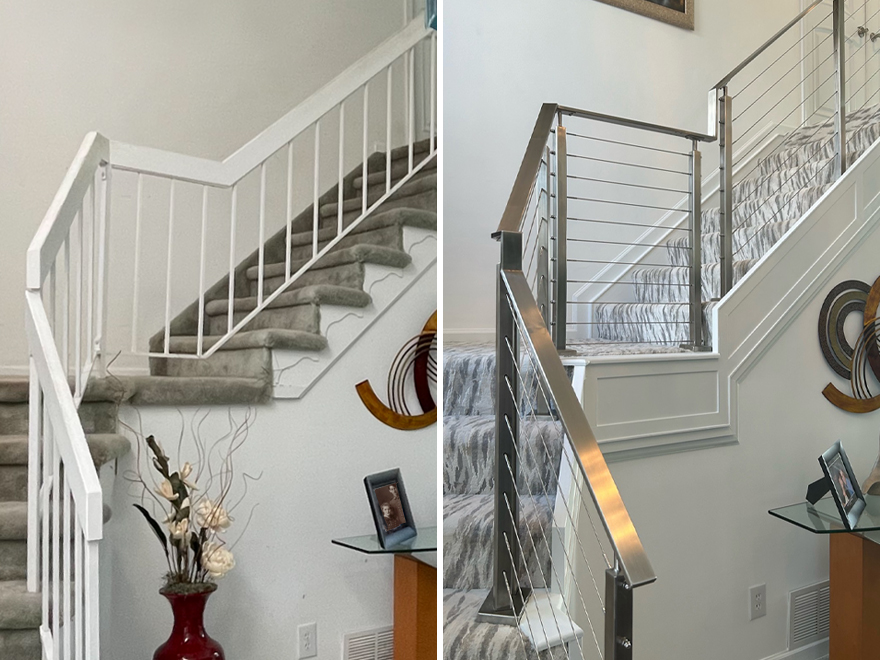
Witness how modern cable railing and custom handrails completely redefine residential spaces, maximizing light and views.
-
 DIY
DIYUltimate Guide to Sketch Sheets: Printable Graph & Isometric Grids for Every Project
Elevate your design process with our exclusive collection of downloadable sketch templates, specifically created to meet the diverse needs of creators across...
-
 Installation
World’s Easiest Install?
Youtuber Tim Uhler installed and reviewed the Cascadia Kit. See him in action and learn if AGS got a “like.”