Installing on Balconies
Balcony Design Essentials
Choose between wood, aluminum, glass, or iron. Marine Grade 316 Stainless Steel provides maximum durability and beauty without the high corrosion risks of other materials.
- Top Mounts: Posts secure directly into the balcony floor.
- Side Mounts (Fascia): Posts mount to the outside rim joist, maximizing walkable square footage.
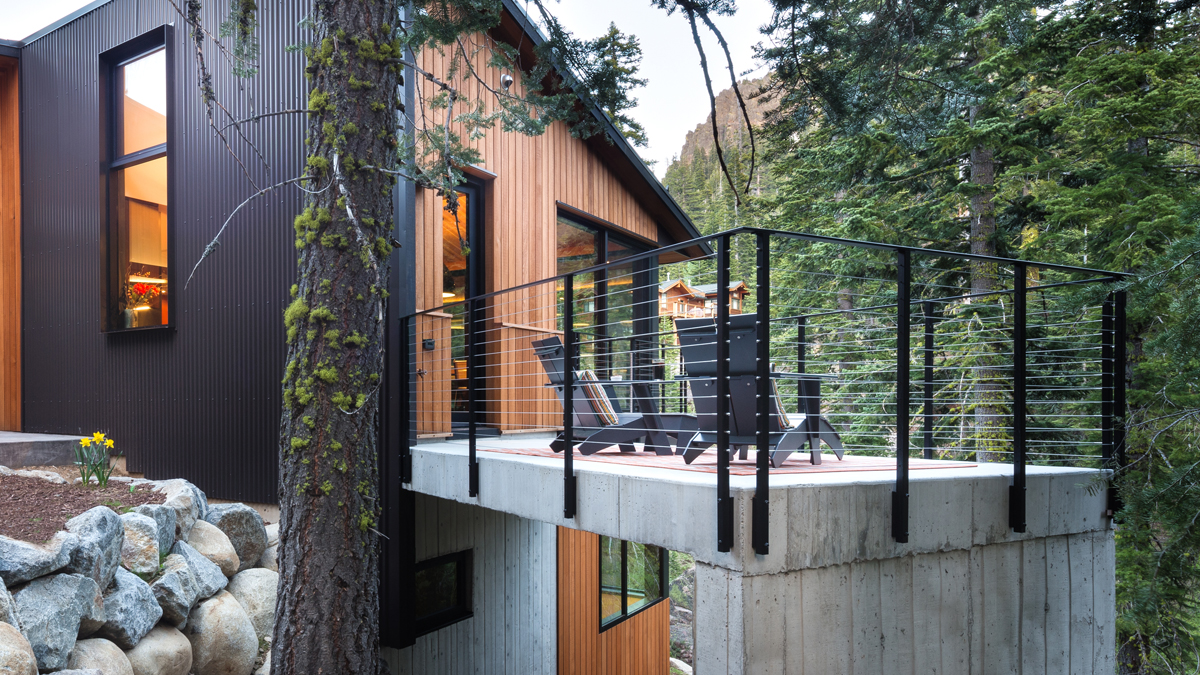
- Rainier Cable: Minimalist and practically invisible from a distance.
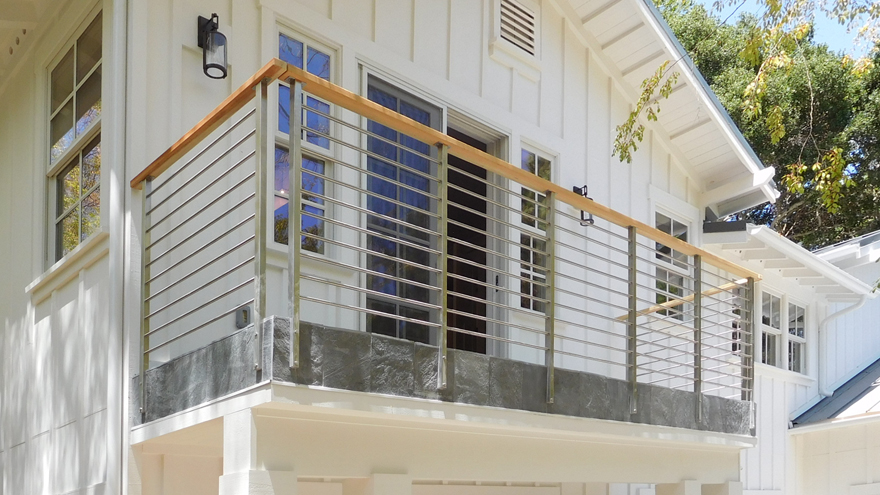
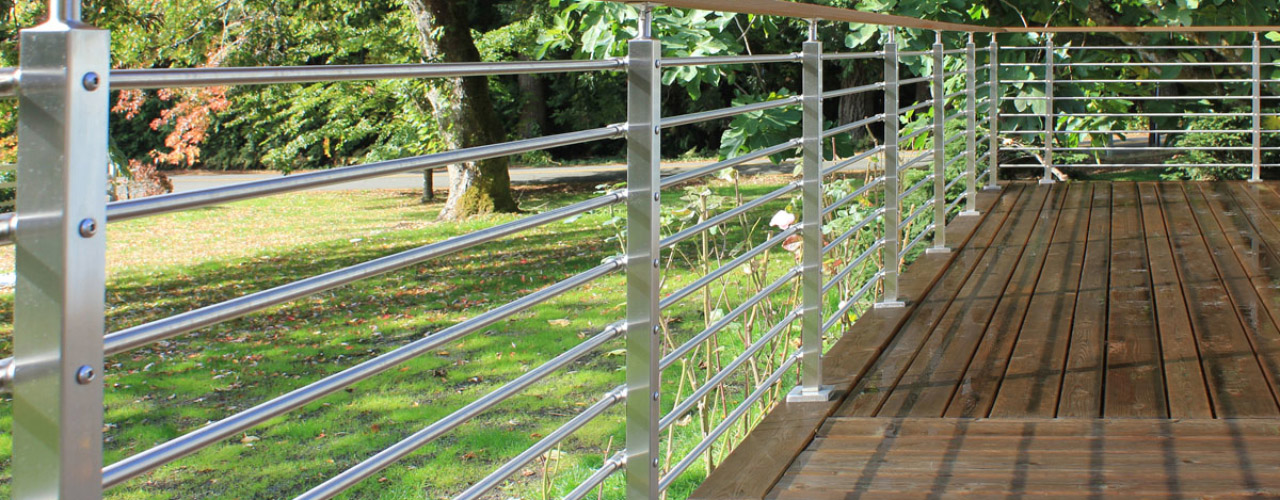
- Olympus Rod: Modern horizontal or vertical bars that highlight structural strength.
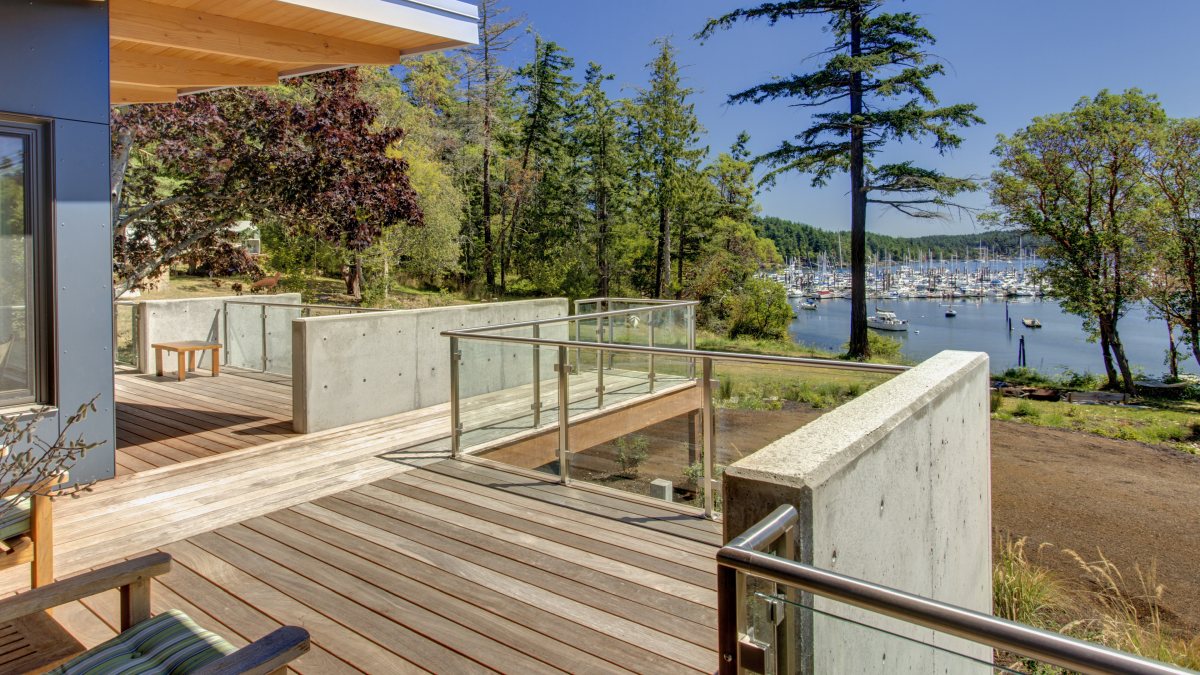
- Glacier Glass: Tempered glass for a transparent look and a phenomenal wind barrier. Glacier mesh also provides complete privacy while allowing light.
Residential balconies typically require a 36″ minimum, while commercial or multi-family projects often require 42″ heights to meet IBC standards.
Always check local code requirements before planning, to ensure compliance.
- Corrosion: While aluminum and wrought iron can be susceptible to the elements, AGS Stainless is electropolished for superior resistance to salt and pollutants.
- Moisture: Wood rot can cause significant damage to balconies, requiring staining and replacement. Marine Grade 316 Stainless is specifically intended for resistance to water.
Customize your space with StarLight Solar LED Accent Lights, integrated planter boxes, or railing-mounted tables for a functional outdoor atmosphere.
Balcony Railing: Material Considerations
Plastic composite and vinyl railings can offer homeowners a relatively easy, “set it and forget it” solution.
- Pros: Budget-friendly, extremely low maintenance; resistant to rot and insects; available in various colors.
- Cons: Can have a “cheap” or synthetic appearance that’s difficult to disguise, as paint generally does not adhere well to plastic surfaces.
Aluminum is a popular middle-ground material that’s lightweight and easier to handle than steel or iron.
- Pros: Easier installation due to its weight; more durable than wood or plastic.
- Cons: It is a soft metal prone to denting. Unlike stainless steel, aluminum is highly susceptible to corrosion if the surface is scratched or the powder coating is compromised.
Iron is synonymous with “old-world” charm and intricate, traditional designs.
- Pros: Heavy, sturdy, and offers a high-end traditional feel.
- Cons: Extremely vulnerable to rust, even with powder coating.
Wood
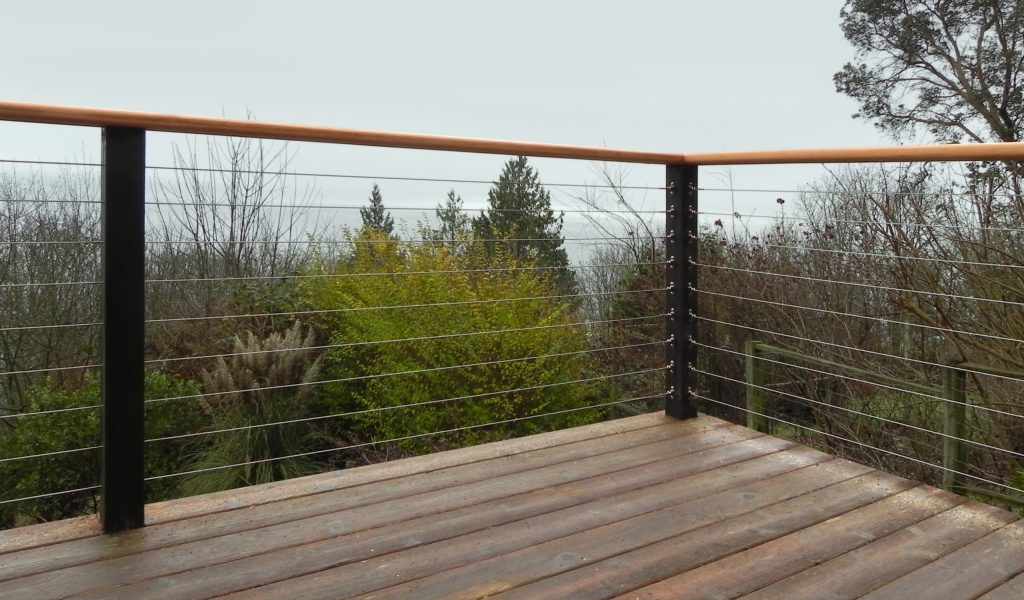
Wood offers a timeless, organic look that fits almost any architectural style, particularly when paired with modern cable infill.
- Pros: Low initial cost; classic aesthetic; highly customizable with stains and paints.
- Cons: High maintenance. Because balconies often lack overhead protection, water can puddle at the base of posts, leading to rot.
- Pro Tip: Use factory-primed, glue-laminated posts or cable sleeves to reinforce the wood and extend its lifespan against the elements.
Glass
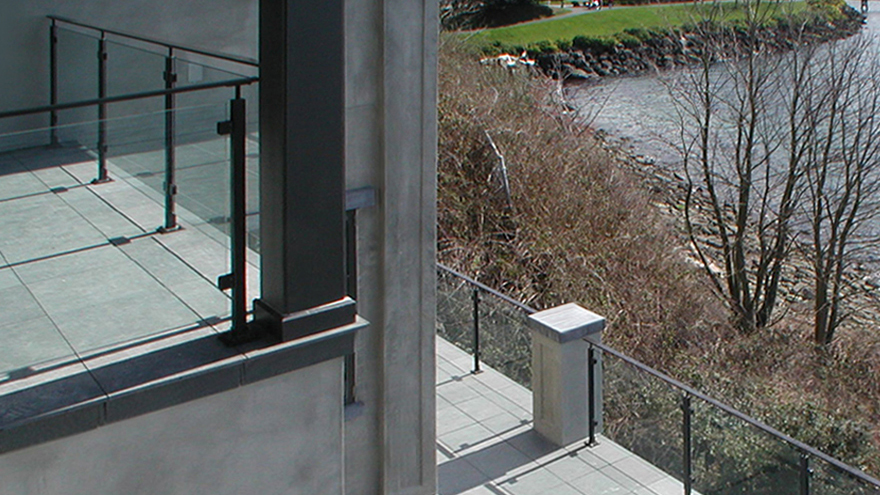
If your balcony overlooks the ocean, a forest, or a city skyline, glass is the premier choice for preserving that view.
- Pros: Provides a completely transparent barrier; acts as an excellent windbreak for high-altitude balconies.
- Cons: Requires frequent cleaning.
- Material Note: Always opt for tempered glass. While the upfront cost is higher, its strength significantly reduces the likelihood of breakage and replacement costs later.
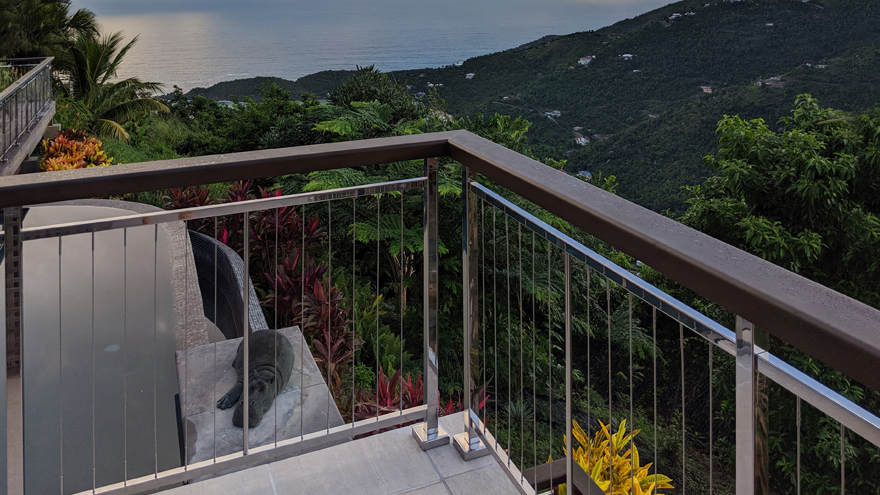
Stainless Steel
Stainless steel is often considered the “gold standard” for modern balcony engineering.
- Pros: Superior durability and corrosion resistance; sleek, modern aesthetic; engineered to easily exceed local building codes. Provides the beauty of metal without threat of rust found in iron or aluminum.
- Cons: Higher initial investment compared to wood or plastic.
Step-by-Step Guide
Achieve a professional fit and finish with our Rainier resources. Download the full manual and follow our step-by-step video for a visual walkthrough.
- Layout and Mark: Use CAD drawings to mark exact center points for top or side-mounted posts.
- Secure the Post: Drill and mount using Lag Terminals (wood) or Masonry Terminals (concrete).
- Install the Hand Rail: Secure handrails to posts to create a rigid structural frame.
- Install the Infill: Thread cables, insert rods, or secure glass panels using stainless steel clamps with rubber inserts.
- Tension Cables: If you are working with Rainier Cable, tension cables from the center outward.
- Add Style: Add StarLight LED Accent Lights, plants, wind chimes and other to finish the look.