The Ultimate Guide to Selecting and Vetting Your New Railing System
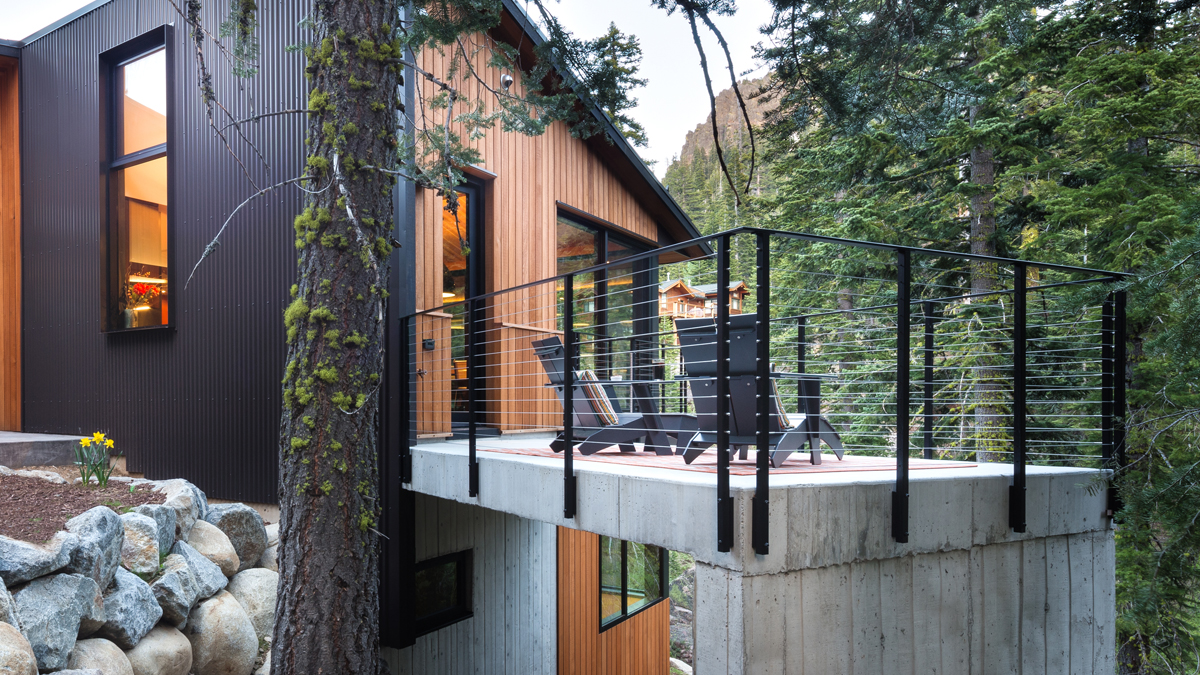
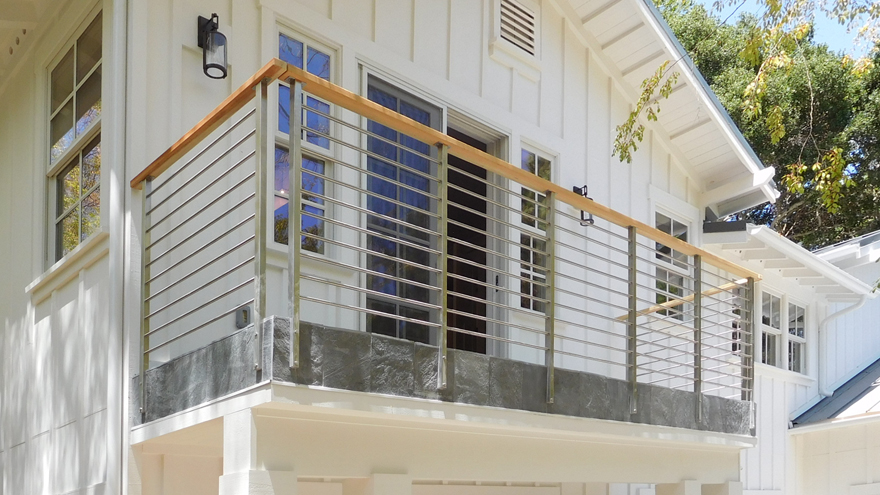
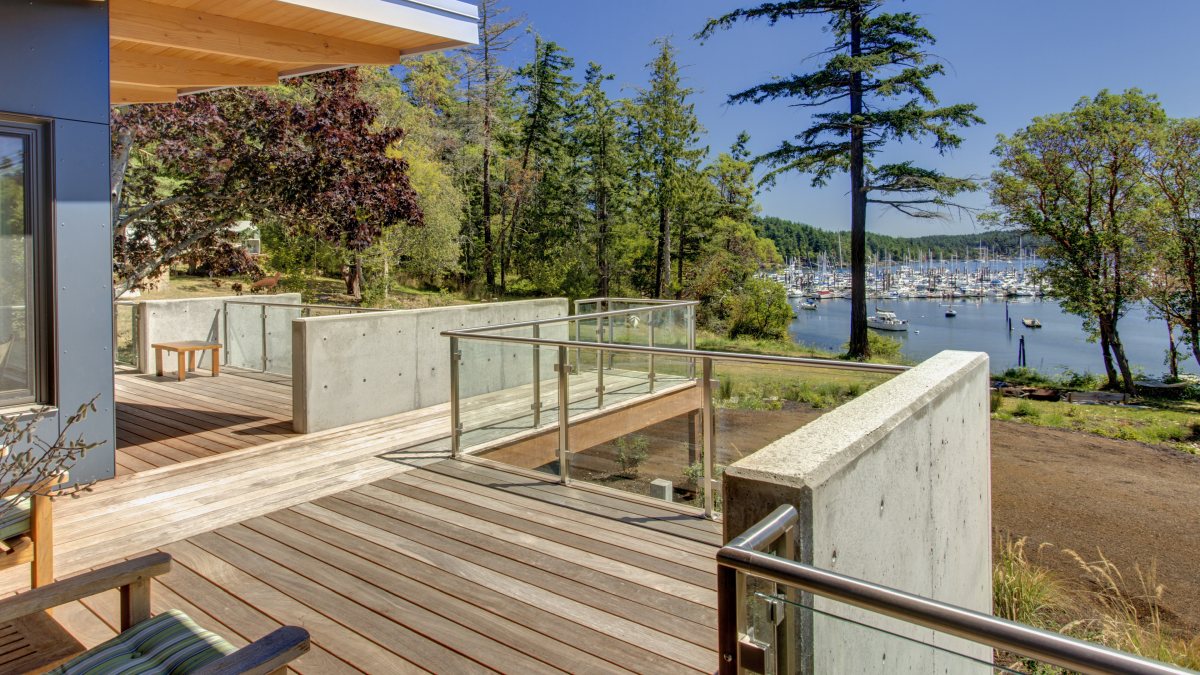
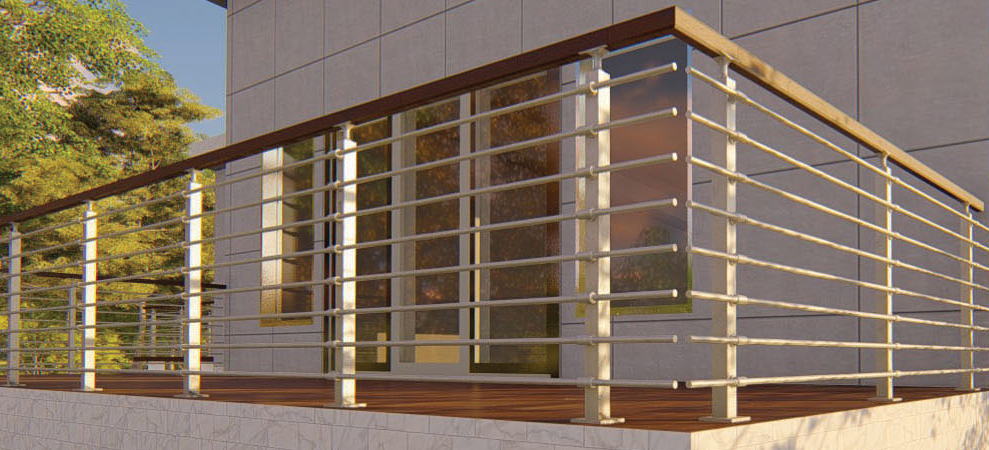
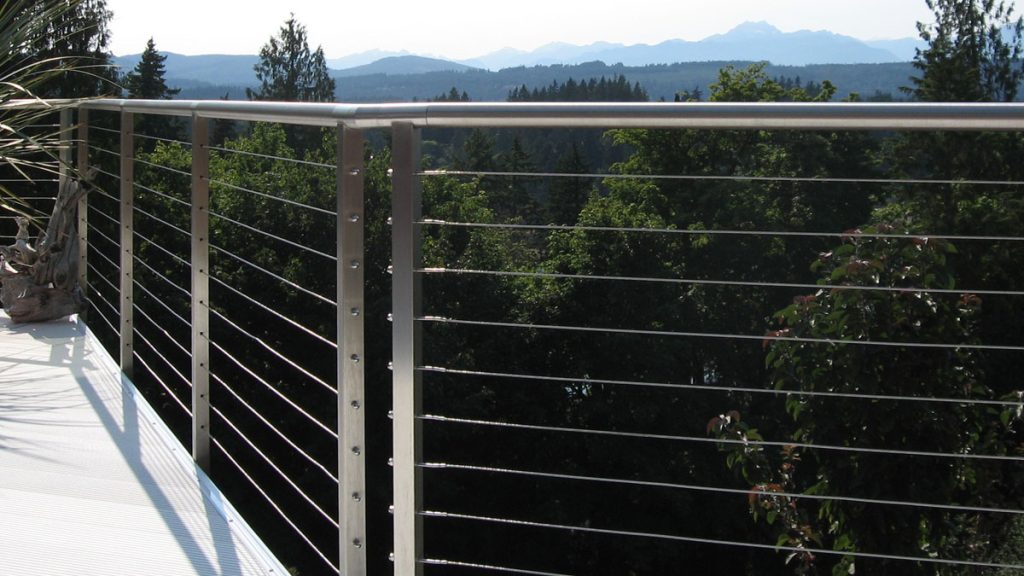
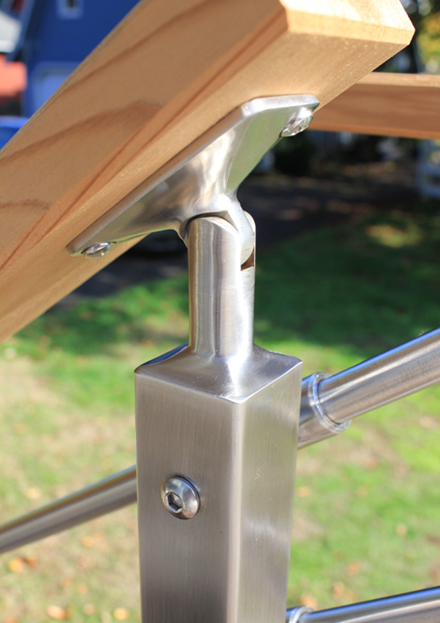
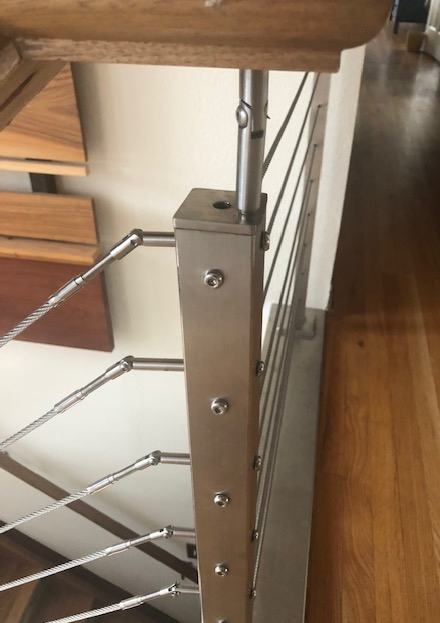
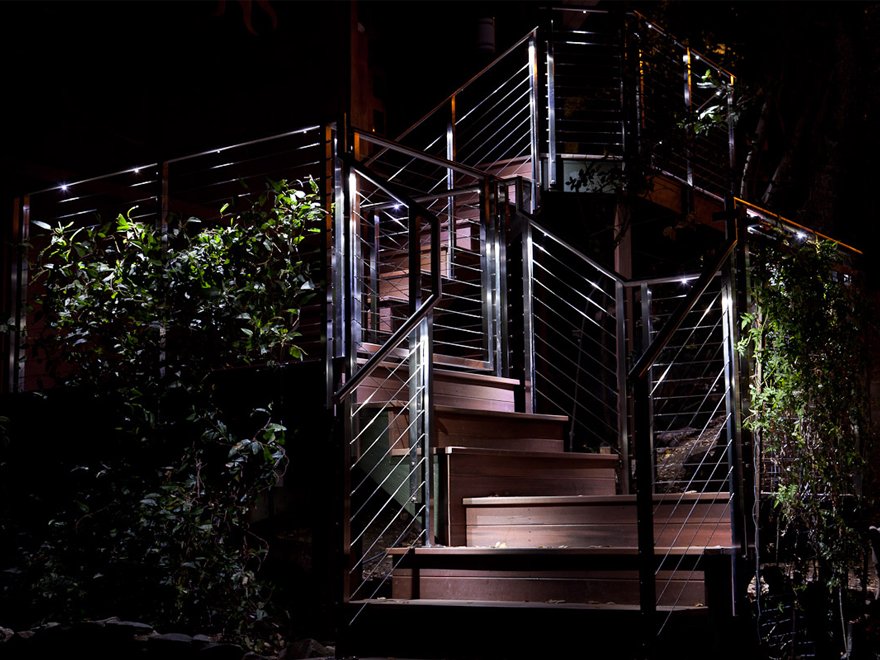
Rainier brushed stainless steel cable railing system with a round handrail, residential deck installation.
Choosing a railing system is a significant investment that impacts your property’s safety, curb appeal, and long-term maintenance budget. The right choice for you will depend on your lifestyle, property and budget. Learn pros and cons of various materials and how they differ in quality, lifespan and maintenance.
Choosing the Right Material
Feature
Wood
Aluminum
Stainless Steel
Upfront Cost
Lowest
Moderate
Highest
Maintenance
High (Stain/Paint)
Very Low
Low (Cleaning)
Durability
10–15 Years
20–50 Years
50–100 Years
Aesthetic
Traditional
Modern / Bulky
Sleek / Industrial
Best For
Budget Projects
Residential Decks
Luxury or Coastal
Wood offers a natural warmth but requires the most “elbow grease” over time.
Cons: Prone to rotting, warping, and insects. Requires sanding and resealing every 1–3 years.
Aluminum is the go-to choice for homeowners seeking a reliable balance of cost-efficiency and durability.
Pros: Rust-proof, lightweight, and typically powder-coated for a “set it and forget it” finish.
Cons: Can feel less substantial or clunkier than steel; limited to manufacturer colors; can dent under heavy force.
Stainless steel is the high-strength, “lifetime” option, often used for cable or bar infill to preserve views.
Pros: Incredible structural integrity; highly corrosion-resistant (especially 316-grade for salt air); lasts a lifetime.
Cons: Highest price point; heavy and difficult to install; requires occasional polishing.
5 Questions to Ask Before You Buy
Once you’ve settled on a material—particularly if you are choosing a metal system—you must vet the manufacturer. From a distance, all metal railings look similar; up close, the quality of fabrication varies wildly.
1. Can you send me a physical post sample?
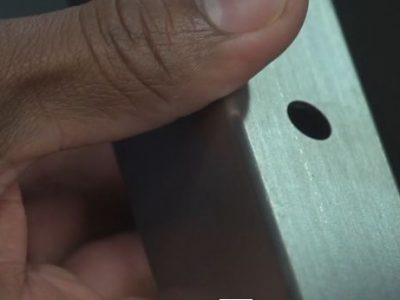
Never rely solely on internet photos. A physical sample allows you to inspect the finish and weld quality.
A reputable vendor should be willing to send you a physical example of their wares.
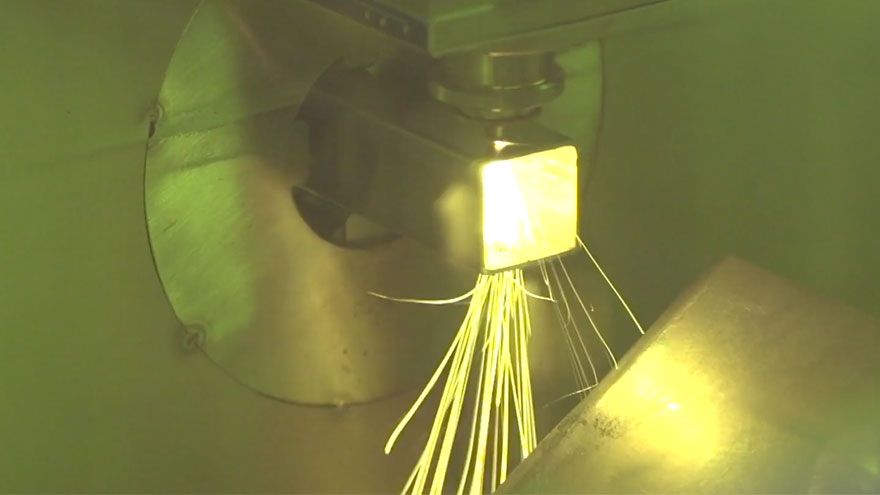
A fiber laser tube cutting machine at AGS.
2. How is the mounting bracket attached to the post?
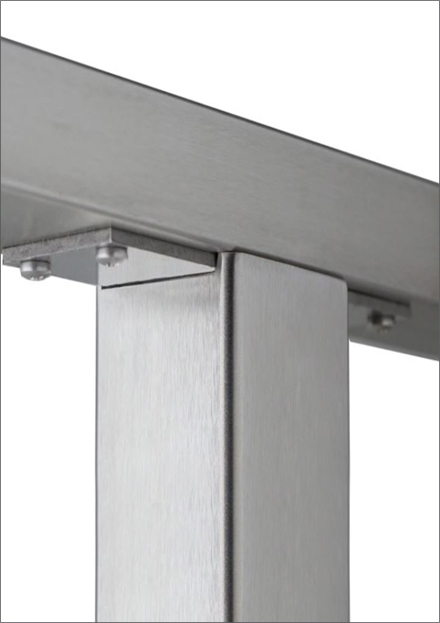
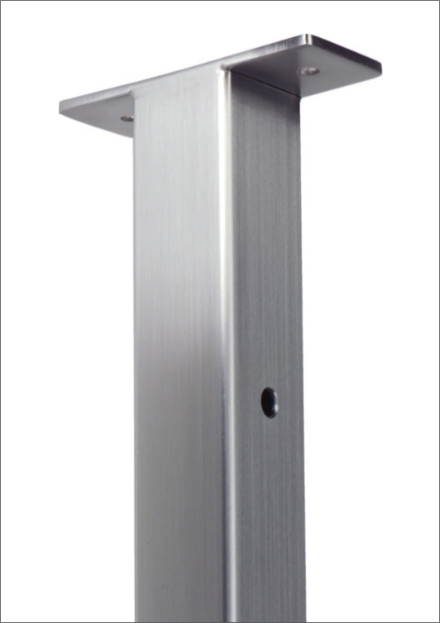
High-quality systems feature welded brackets. Lower-quality systems use screws or adhesives, which are far more likely to fail over time.
Mounting bracket attached mechanically to the post
AGS mounting bracket welded to post
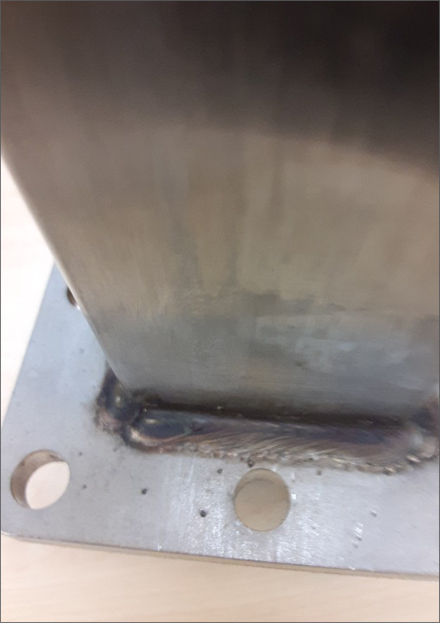
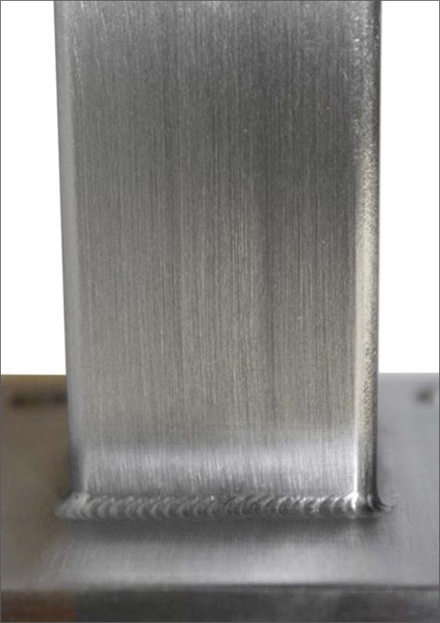
3. Are the fillet welds MIG or TIG welded?
TIG welding (Artisan Grade) produces a beautiful, spatter-free weld that looks like a “stack of dimes.” MIG (Industrial Grade) is faster and often results in messy “spatter” hidden under covers.
A MIG welded fillet
An AGS TIG welded fillet
4. If the post has a stem reducer, is it welded or glued?
The gold standard is a welded connection that is ground and polished until the seam is invisible. Glued reducers have a higher failure rate.
A glued post stem reducer which has subsequently failed
An AGS post stem reducer welded in place and polished, making the connection invisible
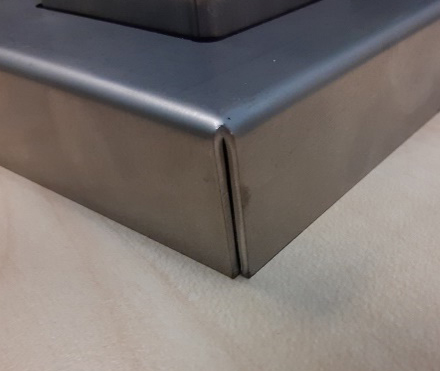
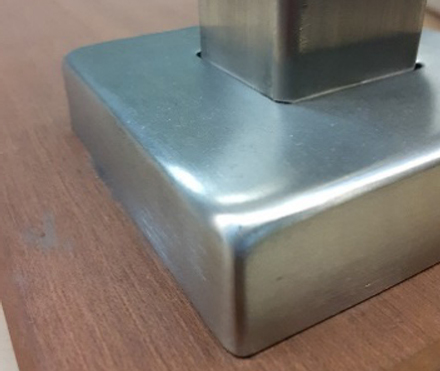
5. Are the corners of your base plate covers seamless?
A superior base plate cover will be finished so the corners appear as one continuous piece of metal, rather than having a visible gap or seam at the fold.
Base plate cover with corner gap
AGS base plate cover fabricated to ensure there is no gap
The Value of Offsite Fabrication
Regardless of the material, demanding offsite prefabrication is a game-changer. When a system is custom-built 100% offsite, quality is guaranteed in a controlled environment, and installation is significantly faster. Posts arrive finished and numbered, allowing your contractor to identify exactly where each piece goes, saving you significant labor costs.
Our Awards
Find Us In:
Ready to Upgrade Your View?
Contact us to request a quote or a physical post sample.
One of our AGS Experts shows you how to identify high-quality fabrication by asking critical questions about welding, mounting, and precision-engineered components.