
Customer Stories
Summer Deck Style
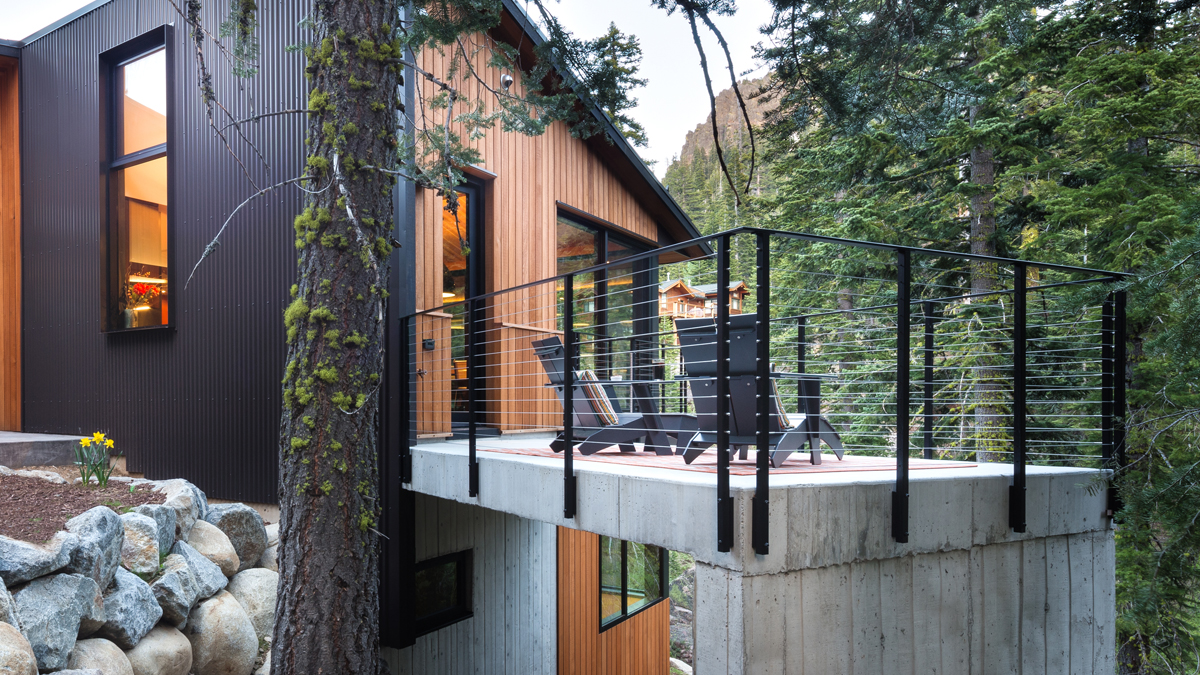
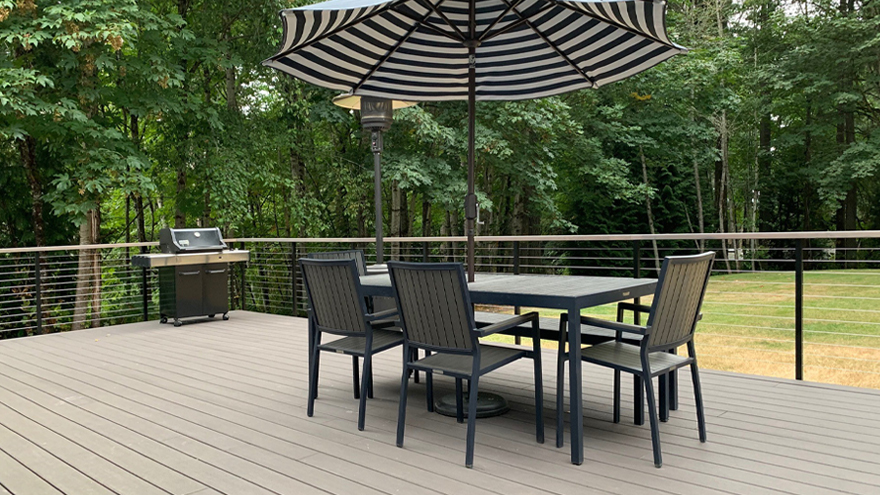
See how Megan V. used Rainier cable railing to create a custom, view-focused sanctuary perfect for family fun and summer grilling.
Congress enacted the Americans with Disabilities Act (ADA) in 1990. This act requires that all new construction of public places and commercial facilities, such as office buildings, be accessible to persons with disabilities. With regard to railing, the act requires that these spaces must provide handrails along both sides of walking surfaces, ramps and stairs.
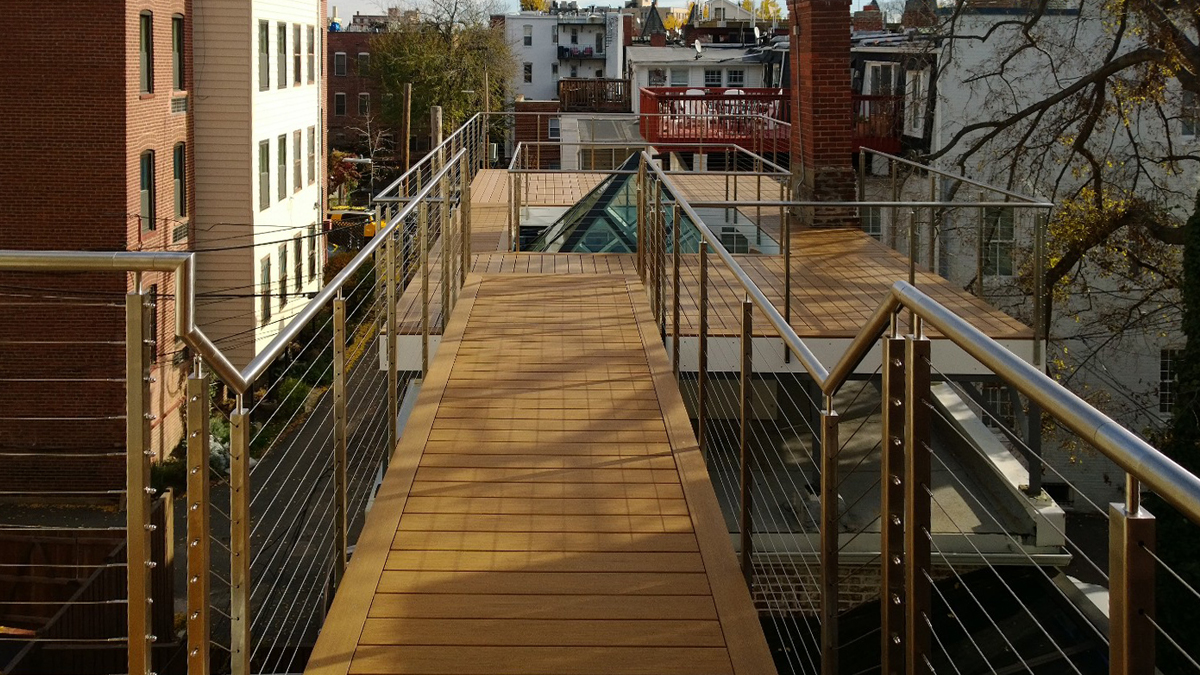
AGS Stainless Inc. manufactures handrails that are compliant with all relevant ADA standards. And easy to install. Our stainless handrails can be customized to fit just about any space.
The following excerpts are taken from the 2010 ADA Standards for Accessible Design.
Please note that any standards presented here are not intended to be referenced in lieu of the 2010 ADA Standards /ADA Regulations for Accessible Design.
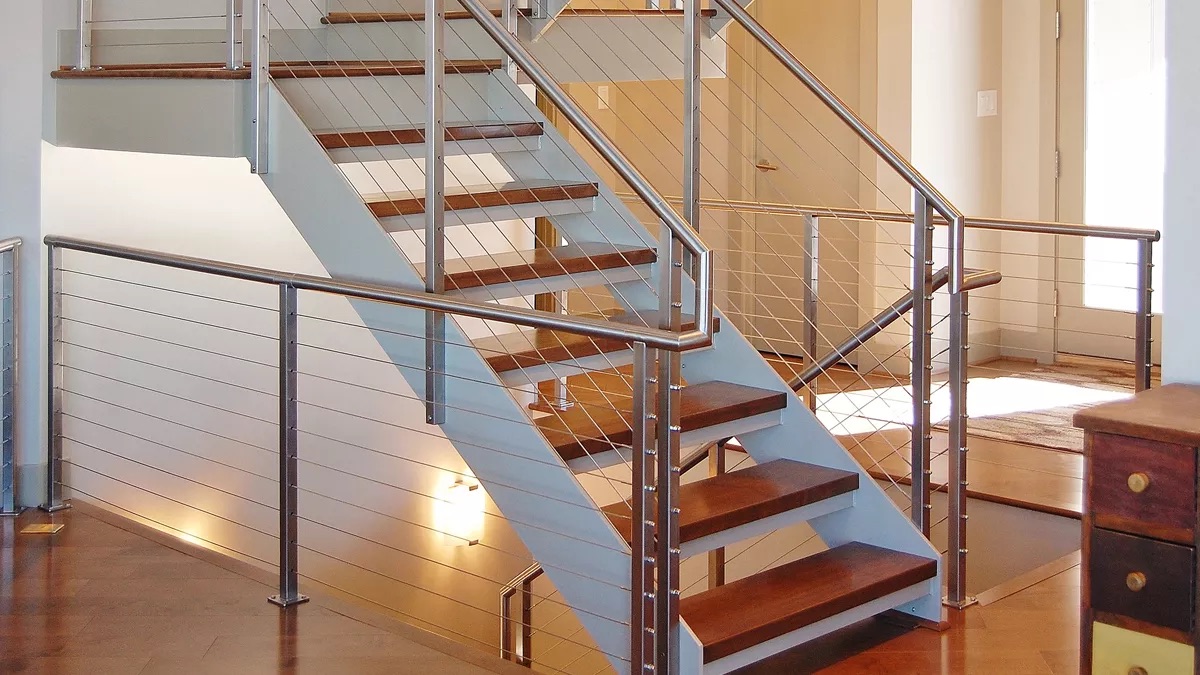
Standards presented here are not intended to be referenced in lieu of the 2010 ADA Standards /ADA Regulations for Accessible Design.
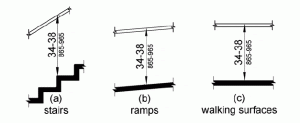
The top of handrail gripping surfaces must be between 34 inches (865 mm) and 38 inches (965 mm) vertically above walking surfaces, stair nosings, and ramp surfaces.
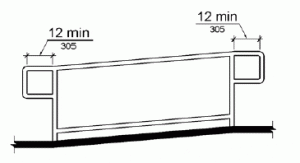
Handrails must be continuous for the full length of every stair flight or ramp run. For switchback or dogleg configurations, the inside handrail must remain continuous between flights. Gripping surfaces must extend beyond the top and bottom of the run, following the same direction as the stairs or ramp to provide support for mounting and dismounting.
Our AGS experts will work with you to customize each handrail and ensure that your design meets your needs while maintaining compliance.
To maintain full ADA compliance, handrail gripping surfaces must follow strict structural parameters that ensure a safe and reliable hold for all users. The gripping surface must remain continuous along its entire length, specifically avoiding any obstructions along the top or sides that would force a user to release their grip. While the bottom of the handrail may have some necessary structural supports, these obstructions must not exceed 20 percent of the total handrail length. Furthermore, any horizontal projections from the rail must be positioned at least 1 1/2 inches (38 mm) below the bottom of the gripping surface to ensure a clear, safe path for the hand.
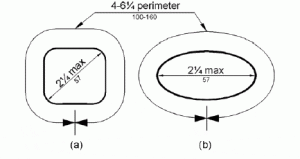
The physical dimensions of the handrail are also heavily regulated to accommodate a variety of hand sizes and grip strengths. For handrails with a circular cross-section, the outside diameter must be at least 1 1/4 inches (32 mm) but no more than 2 inches (51 mm). If the handrail is non-circular, it must have a perimeter dimension between 4 inches (100 mm) and 6 1/4 inches (160 mm), with a maximum cross-section width of 2 1/4 inches (57 mm).
Beyond these specific measurements, the finish and stability of the system are critical for safety. Both the handrail and any adjacent surfaces must be entirely free of sharp or abrasive elements. All edges must be rounded to prevent injury, and the handrail must be securely fixed so that it cannot rotate within its fittings during use.
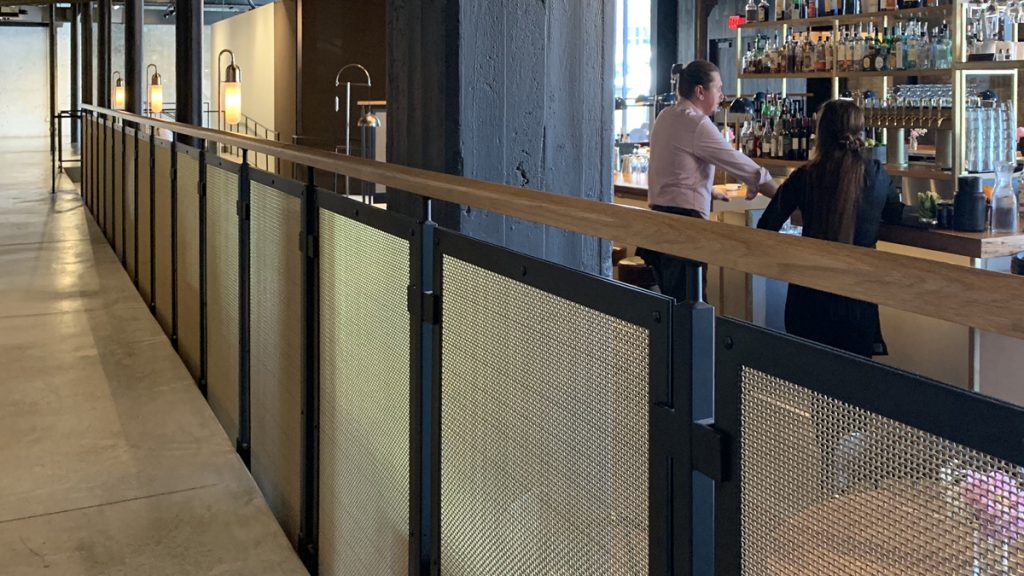
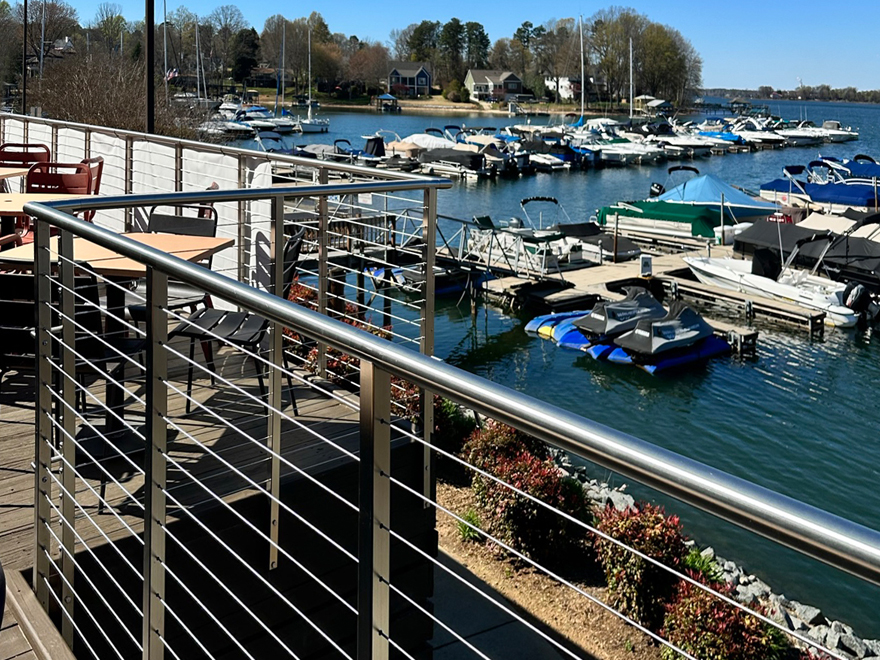
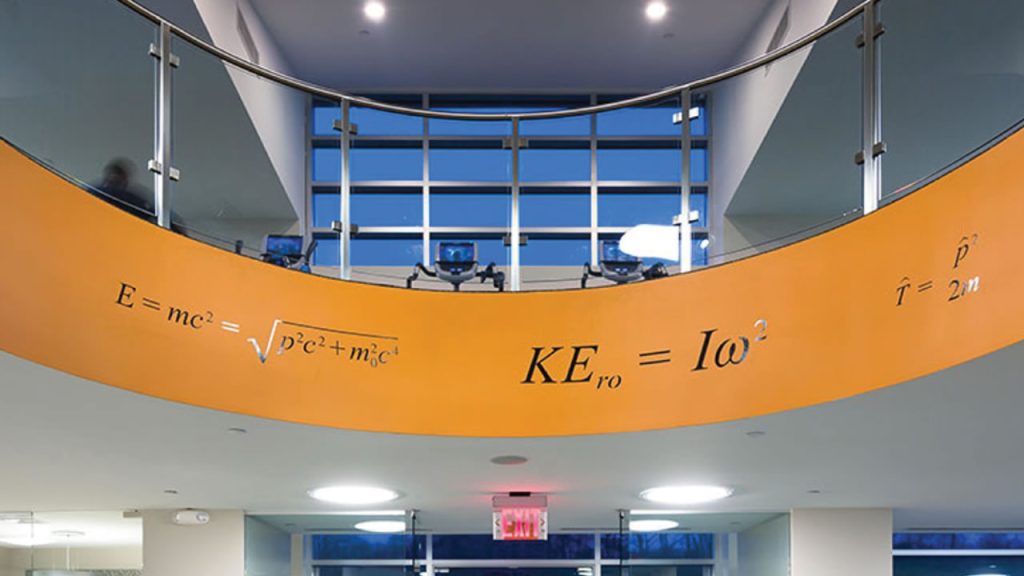
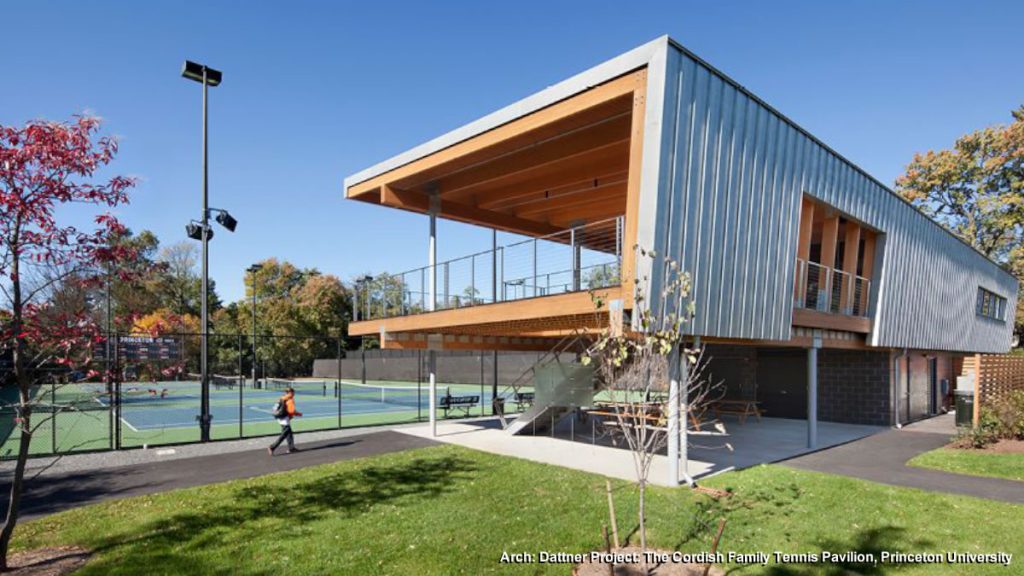
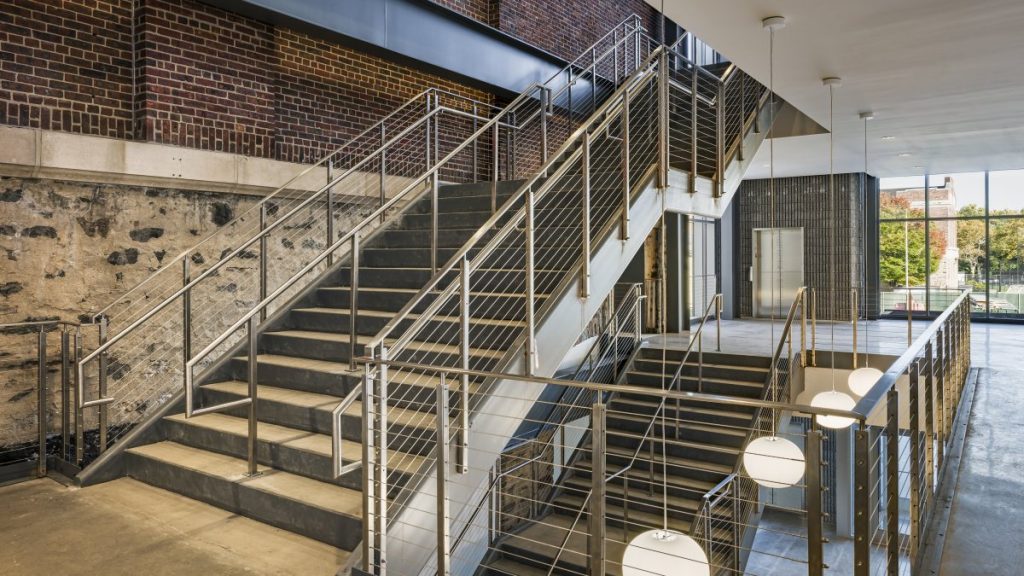
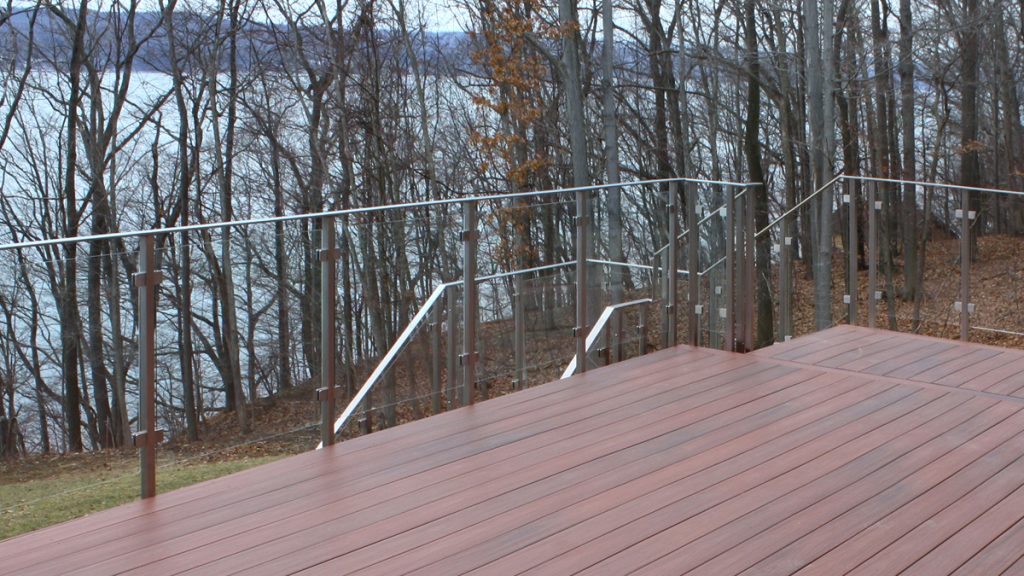
To ensure the handrail is easily accessible and provides a safe grip, the ADA recommends that the gripping surface for handrail systems maintain a 1.5-inch clearance from all adjacent surfaces.
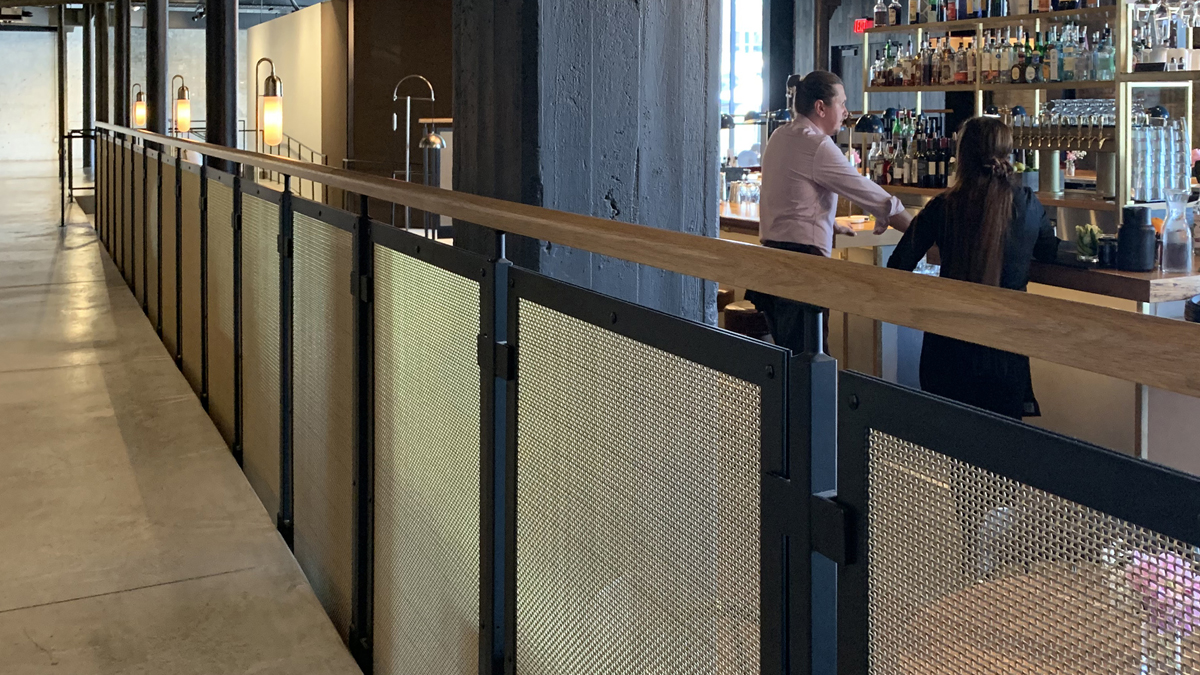
AGS Clearview® Railing Systems offer a multitude of handrail options to meet these standards. Our designers make every effort to work with clients to obtain specific dimensions for their project areas, providing professional counsel and recommendations to tailor each installation for assured ADA compliance.












Get technical tips from experts and fresh design inspiration from our customers.
Summer Deck Style
See how Megan V. used Rainier cable railing to create a custom, view-focused sanctuary perfect for family fun and summer grilling.
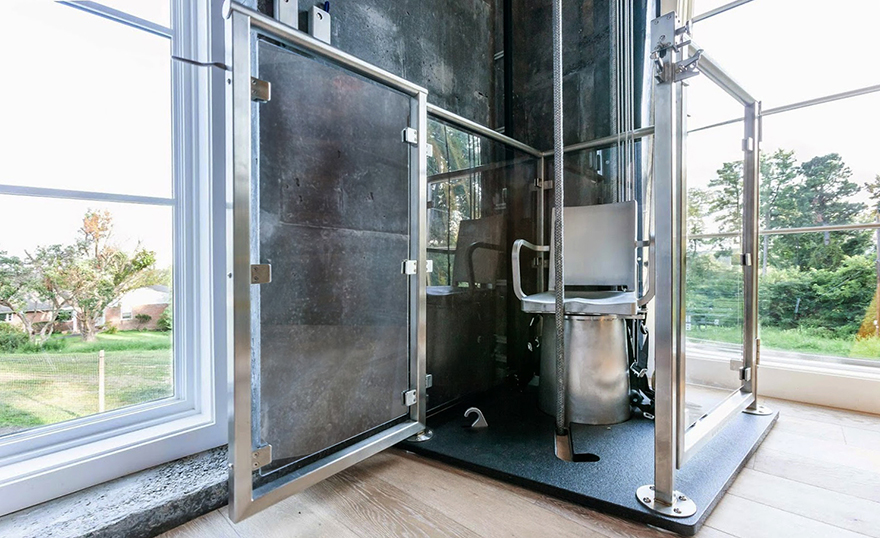
Dwell Featured Home
Featured in Dwell Magazine, a father and son create a truly universal, accessible home with help from AGS.
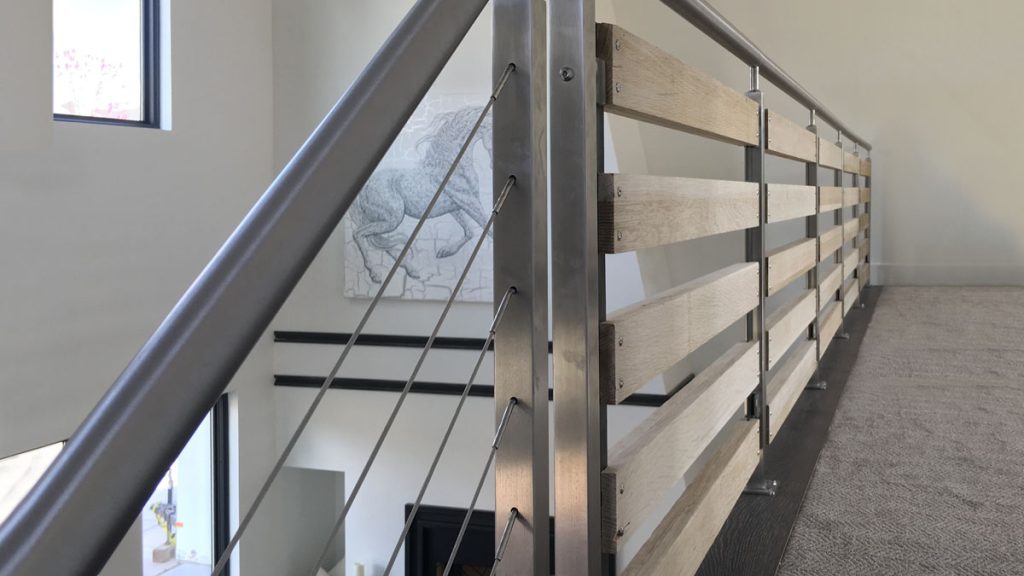
Dynamic Synergy
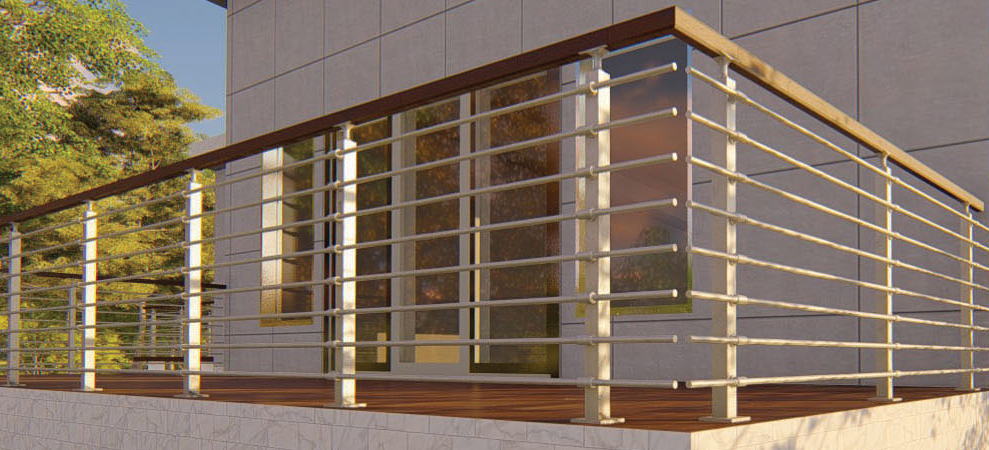
Pair sleek Olympus Bar railing with minimalist Rainier cable for a modern architectural statement guaranteeing robust protection and style.